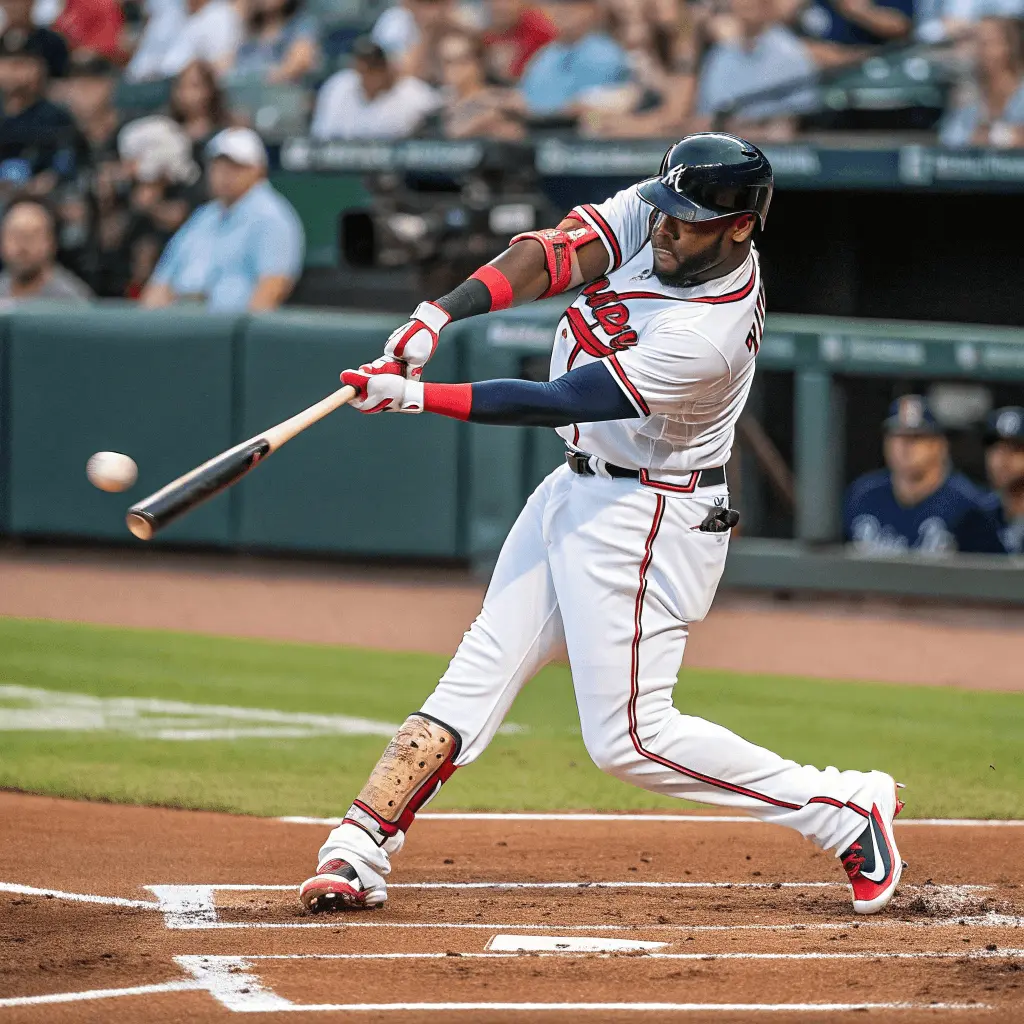
Braves Marcell Ozuna waiver candidate has been a widely discussed phrase among baseball fans, analysts, and media over the past few seasons. The topic gained traction when questions emerged about roster flexibility, player performance, and long-term planning for the Atlanta Braves. However, as of 2026, the situation has shifted significantly, and understanding the full story requires a deeper look into Marcell Ozuna’s career, his time with the Braves, and how Major League Baseball roster management actually works.
This comprehensive guide explores why Ozuna was linked to waiver discussions, what the term really means, and how his current position with the Pittsburgh Pirates has changed the narrative. It also examines the broader strategic thinking behind MLB roster decisions and what fans should realistically expect going forward.
Who Is Marcell Ozuna and Why He Matters in MLB
Marcell Ozuna is a professional baseball player known primarily for his offensive power. Born in the Dominican Republic, he made his MLB debut in 2013 with the Miami Marlins and quickly established himself as a strong hitter capable of delivering home runs and driving in runs consistently.
Over time, Ozuna also played for the St. Louis Cardinals and later became a key part of the Braves lineup. His career highlights include All-Star selections, Silver Slugger awards, and leading the league in key offensive categories such as home runs and RBIs.
What makes Ozuna particularly interesting is his identity as a power hitter. When he is in form, he can completely change the outcome of a game with a single swing. However, his performance has historically fluctuated, which plays a major role in discussions about his roster status.
Understanding the Meaning of “Waiver Candidate” in MLB
To fully grasp the idea behind “Braves Marcell Ozuna waiver candidate,” it is essential to understand how waivers work in Major League Baseball.
A waiver candidate is not necessarily a player being removed immediately. Instead, it typically means a team is considering making the player available to other teams under specific conditions.
Teams use waivers for several strategic reasons:
- Creating roster flexibility
- Managing payroll commitments
- Opening opportunities for younger players
- Adjusting team composition late in the season
There are different types of waivers, including outright waivers and trade-related waivers, though modern MLB rules have simplified some of these processes.
Importantly, being labeled a waiver candidate is often speculative. It reflects discussion rather than confirmed action.
Why the Braves Marcell Ozuna Waiver Candidate Narrative Emerged
The phrase “Braves Marcell Ozuna waiver candidate” became popular during the 2025 season when several factors aligned.
Team Performance and Playoff Pressure
The Braves found themselves in a challenging position in the standings. For a competitive team, falling behind in the playoff race often triggers internal evaluation. Veteran players, especially those with higher salaries, naturally become part of these discussions.
Declining Offensive Output
Although Ozuna maintained his reputation as a power hitter, his overall offensive production dipped compared to previous seasons. Lower batting averages and inconsistent results made analysts question whether he was still delivering enough value relative to his role.
Limited Trade Market
Before the trade deadline, the Braves explored potential deals involving Ozuna. However, the lack of strong offers reduced the likelihood of a trade. This led to speculation that waivers might be an alternative route for roster adjustment.
Roster Depth and Competition
The Braves have consistently maintained a deep and competitive roster. When younger players or prospects push for playing time, even established veterans can become subjects of speculation.
Despite all this discussion, it is crucial to note that Ozuna was never officially placed on waivers by the Braves during that period.
Ozuna’s Role with the Atlanta Braves
During his time with the Braves, Ozuna primarily served as a designated hitter and middle-of-the-order bat.
When performing well, he contributed:
- Significant home run power
- High RBI totals
- Veteran leadership in crucial games
However, when his performance dipped, questions naturally arose about lineup efficiency and roster utilization. In modern baseball, teams increasingly value versatility, and Ozuna’s limited defensive role added another layer to the debate.
Strengths That Kept Ozuna Valuable
Even amid waiver discussions, Ozuna retained several strengths that made him a valuable player.
Elite Power Hitting
Few players can match his ability to hit deep home runs and extra-base hits. This alone ensures he remains a threat in any lineup.
Experience and Composure
Having played multiple seasons in MLB, Ozuna brings experience that is especially valuable in high-pressure situations.
Offensive Upside
At his best, he is capable of being a game-changing hitter who can carry an offense for stretches of the season.
Weaknesses That Fueled Speculation
On the other hand, certain limitations contributed to the “Braves Marcell Ozuna waiver candidate” narrative.
Inconsistent Performance
Ozuna has had noticeable swings between hot and cold streaks. Teams prefer reliability, especially from key offensive players.
Defensive Limitations
His defensive contributions are limited, which reduces lineup flexibility compared to multi-position players.
Salary Considerations
Higher salaries increase expectations. When performance does not fully match those expectations, teams begin evaluating alternatives.
Transition to the Pittsburgh Pirates
After the 2025 season, Ozuna entered free agency and signed with the Pittsburgh Pirates in early 2026.
His contract included:
- A one-year deal worth $10.5 million
- A mutual option for 2027 valued at $16 million
- A buyout clause of $1.5 million
With the Pirates, Ozuna took on a role primarily as a designated hitter, providing veteran presence to a developing team.
2026 Performance and Renewed Questions
At the start of the 2026 season, Ozuna struggled significantly. His early statistics reflected a difficult adjustment period:
- Batting average near .065
- No home runs or RBIs
- Low on-base plus slugging percentage
- Frequent strikeouts
Such numbers naturally led analysts to revisit familiar questions about his role and long-term viability.
Additionally, emerging talent like Esmerlyn Valdez has increased internal competition, which could influence future roster decisions for the Pirates.
How Waiver Decisions Are Actually Made
MLB teams do not make waiver decisions lightly. The process involves multiple considerations:
Performance Metrics
Teams evaluate both short-term performance and long-term trends.
Financial Commitments
Contracts play a major role. Teams must weigh cost versus production.
Team Strategy
A rebuilding team may prioritize younger players, while a contender may focus on immediate results.
Player Development Pipeline
Prospects pushing for promotion often influence decisions about veteran players.
These factors show that waiver discussions are rarely about a single issue. They reflect a combination of performance, economics, and long-term planning.
Media Influence and Fan Perception
The phrase “Braves Marcell Ozuna waiver candidate” was amplified significantly by media and fan discussions.
In many cases:
- A short slump leads to heavy speculation
- Analysts propose hypothetical scenarios
- Social media spreads narratives بسرعة
- Headlines may exaggerate possibilities
This environment makes it important to separate actual transactions from speculation.
Fans themselves are often divided. Some continue to value Ozuna’s power and experience, while others focus on consistency and roster efficiency.
Impact on the Atlanta Braves’ Strategy
Ozuna’s situation highlighted broader lessons for the Braves organization.
Balancing Veterans and Youth
Teams must constantly decide between experienced players and emerging prospects.
Payroll Efficiency
Managing salary commitments is essential for maintaining a competitive roster.
Long-Term Planning
Decisions are not just about one season. They reflect the organization’s future direction.
For the Braves, moving on from Ozuna after 2025 was part of a larger strategic adjustment.
What the Future Holds for Marcell Ozuna
Ozuna’s future depends on several factors:
- His ability to regain offensive form
- The Pirates’ competitive timeline
- Internal competition from younger players
- Potential midseason roster adjustments
If he improves, he can still be a valuable contributor. If struggles continue, discussions about roster changes, including waivers, may resurface.
Frequently Asked Questions
1. Is Marcell Ozuna currently a waiver candidate?
No. As of 2026, he is not officially a waiver candidate and is playing for the Pittsburgh Pirates.
2. Why was Ozuna linked to waivers with the Braves?
Mainly due to performance inconsistency, team standings, and roster flexibility considerations.
3. Does being a waiver candidate mean a player will be released?
No. It simply means a team may consider making the player available to others.
4. What team does Ozuna play for now?
He currently plays for the Pittsburgh Pirates.
5. What is Ozuna’s primary role?
He is mainly used as a designated hitter focused on offensive production.
6. What are his biggest strengths?
Power hitting, experience, and the ability to drive in runs.
7. What are his main weaknesses?
Inconsistency, limited defense, and fluctuating performance.
8. Could Ozuna be placed on waivers in the future?
It is possible, especially if performance does not improve, but nothing is confirmed.
9. How do waivers benefit MLB teams?
They help manage rosters, reduce payroll, and create opportunities for other players.
10. Did the Braves ever actually place him on waivers?
No, the discussion remained speculative and was never officially executed.
Conclusion
The phrase Braves Marcell Ozuna waiver candidate reflects a period of speculation rather than a confirmed roster move. While Ozuna’s performance fluctuations and contract situation made him a topic of discussion during his time with the Atlanta Braves, he was never officially placed on waivers.
Now with the Pittsburgh Pirates, his career enters a new phase filled with both challenges and opportunities. His ability to rediscover his offensive form will ultimately determine whether he remains a valuable contributor or becomes part of future roster debates.
Understanding Ozuna’s journey provides insight not just into one player’s career, but into the complex decision-making process that shapes Major League Baseball teams every season.
